
You finally cleared that overgrown corner of your yard, and now there’s a mountain of branches, dirt, and dead shrubs blocking your driveway. Your truck bed holds maybe 10% of it. Time to rethink your disposal strategy.
Why Landscaping Projects Create More Waste Than You Think
Spring hits Denver, and suddenly every homeowner decides this is the year they’ll tackle that backyard transformation. You’re finally removing those dying aspens, ripping out the old rock garden, or clearing decades of accumulated debris from the previous owner’s “landscaping experiments.”
Then reality sets in. That pile of brush you thought would fit in three garbage bags now covers half your driveway. The tree removal company left trunk sections the size of coffee tables. Your flower bed renovation generated six wheelbarrows of dirt and old mulch with nowhere to go.
A dumpster rental solves the problem you didn’t know you’d have until you’re standing in your yard surrounded by debris, your regular trash service won’t touch, and the landfill closes in two hours. Landscaping waste accumulates faster and takes up more space than any other home project. Those branches don’t compress. Dirt is shockingly heavy. Sod rolls are bulky and awkward.
Trying to handle landscaping cleanup without proper waste disposal turns a weekend project into a month-long nightmare of multiple dump runs, overloaded vehicles, and debris piles your neighbors are definitely judging you for.
Let’s talk about why renting a dumpster makes landscaping projects actually manageable instead of exercises in frustration.
The Hidden Costs of DIY Waste Removal for Yard Projects
You’re thinking you’ll save money by hauling debris yourself. Let’s do the math on what that actually costs.
Denver’s landfill charges by weight for yard waste. You’ll make three to five trips minimum for a typical landscaping project, paying disposal fees each time. Gas for your truck or borrowed trailer adds up fast, especially with current fuel costs. Time spent loading, driving to the dump, unloading, and repeating eats entire weekends you could spend finishing the actual project.
Your Truck Wasn’t Designed for Landscaping Debris
Branches scratch bed liners. Dirt spills everywhere. Overloading suspension components leads to expensive repairs. That tarp you thought would contain everything flies off on I-25, scattering leaves across three lanes of traffic.
Rental trucks from home improvement stores run $20-$30 per hour plus mileage. You need the truck for four hours minimum per dump run. Multiply that by multiple trips, and you’ve spent more than a dumpster rental would have cost while doing significantly more physical labor.
Denver’s Waste Disposal Regulations Complicate DIY Removal
Certain materials require special handling. You can’t just dump everything in one spot at the landfill. Staff will make you sort through your load, separating acceptable materials from prohibited items, while the line of trucks behind you grows increasingly annoyed.
Time has value, even if you’re not billing hourly. Three full days of dump runs versus having a dumpster sit in your driveway while you work at your own pace? The dumpster wins every time.
What Actually Fits in a Landscaping Dumpster
Landscaping projects generate specific types of waste, and knowing what fits helps you choose the right container size.
Yard waste dumpsters accept:
- Tree branches, limbs, and trunk sections
- Brush, shrubs, and hedge trimmings
- Grass clippings and sod removal
- Leaves, pine needles, and yard debris
- Old mulch and wood chips
- Dirt, soil, and small rocks (weight limits apply)
Most landscaping debris is bulky but relatively light. Branches and brush take up enormous space while weighing very little. This means you’ll fill the dumpster based on volume rather than hitting weight limits, unlike construction debris.
Materials requiring special consideration:
- Concrete and asphalt (often need separate containers due to weight)
- Large rocks and boulders (same weight issue)
- Treated lumber from old decks or fences (different disposal requirements)
- Stumps (some companies accept them, others don’t)
Call before loading questionable materials. Getting charged extra fees after pickup because you included prohibited items costs more than asking upfront.
Size selection for typical Denver landscaping projects:
A 10-yard dumpster handles small to medium yard cleanups, single tree removals, or garden renovations. Think clearing overgrown areas, removing a few shrubs, or refreshing flower beds.
A 20-yard dumpster works for larger projects like removing multiple trees, clearing significant brush, or combining landscaping with other outdoor work like fence removal. This is the most popular size for residential landscaping in Denver.
A 30-yard dumpster tackles major overhauls involving land clearing, large tree removal, or whole-yard renovations where you’re starting from scratch. If you’re transforming your entire landscape, this size prevents running out of space halfway through.
How Dumpsters Speed Up Landscaping Projects
Having waste disposal handled changes how efficiently you can work. Instead of stopping every few hours to load your truck and make dump runs, you toss debris in the dumpster and keep working.
Continuous Workflow Matters More Than You’d Think
Landscaping projects involve physical labor that’s easiest to knock out in sustained sessions. Breaking momentum to deal with waste disposal kills productivity and makes projects drag on for weeks.
With a dumpster on-site, you work until you’re tired, not until your truck bed fills up. You can tackle the whole project in one or two focused weekends instead of spreading it across a month of intermittent work sessions between dump runs.
Multiple People Can Work Simultaneously
If you’ve got family or friends helping, everyone can work in different areas without coordinating waste removal. One person trims branches while another digs out old shrubs while a third hauls everything to the dumpster. Without on-site disposal, you’re limited to one person filling the truck while others wait.
Safety Improves When You’re Not Creating Debris Piles Everywhere
Leaving branches, thorny bushes, and sharp vegetation scattered across your yard creates tripping hazards and makes it harder to see what you’re doing. Clearing debris immediately into a dumpster keeps your work area organized and safe.
Denver’s unpredictable spring weather means you might have limited days to work between rainstorms. A dumpster rental lets you maximize productive hours instead of wasting good weather on dump runs.
Seasonal Landscaping Challenges in Denver
Denver’s climate creates specific landscaping situations where waste disposal becomes critical.
Spring Cleanup After Harsh Winters Generates Massive Debris Volumes
Dead branches, winter-killed plants, and accumulated organic matter from fall need removal before you can start spring planting. Everyone in Denver tackles this simultaneously, which means landfills get backed up and wait times extend.
Having a dumpster delivered before peak season hits lets you work on your schedule instead of spending hours in landfill lines during the busiest weeks.
Fall Yard Prep Creates Concentrated Waste
Leaf removal, perennial cutting, garden cleanup, and preparing beds for winter all happen in a compressed timeframe before the first hard freeze. You can’t spread this work out over months, so waste accumulates fast.
Tree Removal Timing Affects Debris Management
Arborists recommend removing many trees during dormancy in late fall or winter. Your tree service drops the tree and chips what they can, but you’re left with large sections of trunk, stumps, and leftover debris. Winter weather makes multiple dump runs miserable. A dumpster sits there until you’re ready to deal with it.
Xeriscaping Conversions Are Popular in Denver
Due to water conservation needs and restrictions. Converting traditional grass lawns to drought-resistant landscapes means removing existing sod, adding rock, and completely reconfiguring yard layouts. This generates mixed waste: organic materials, old irrigation systems, and excess dirt all at once.
Managing Heavy Materials and Weight Limits
Landscaping debris splits into two categories: bulky but light, and compact but heavy. Understanding this prevents overage charges.
Branches, leaves, and organic matter fill dumpsters based on volume. You’ll run out of space before hitting weight limits. Load these materials efficiently by breaking down branches and distributing them evenly instead of tossing everything in randomly.
Dirt, soil, and rocks add weight shockingly fast. A pickup bed full of dirt weighs far more than the same volume of branches. Dumpster rental agreements include weight allowances, typically measured in tons. Exceed that, and you pay per-ton overage fees.
If your landscaping project involves significant dirt removal, excavation, or rock hauling, ask about weight limits and overage charges upfront. Some companies offer specialized containers for heavy materials with different pricing structures designed for soil and concrete.
Mixing light and heavy materials requires strategy. Spread heavy items throughout the container rather than dumping all your dirt in one corner. This distributes weight and helps you fit more total debris.
Break up concrete chunks from old walkways or patio demolition before loading. Smaller pieces pack more efficiently and distribute weight better than huge slabs.
Common Landscaping Projects That Need Dumpsters
Tree and shrub removal generates the most volume. Even a single mature tree produces more debris than most homeowners anticipate. Multiply that by several trees, and you’re looking at a 20-yard dumpster minimum. The branches, smaller limbs, trunk sections, and root balls all need disposal.
Deck and fence removal in conjunction with landscaping. Many Denver homeowners combine outdoor projects, removing old structures while renovating yards. This creates mixed waste requiring larger containers because you’re dealing with lumber, concrete footings, old lattice, and landscaping debris simultaneously.
Xeriscaping and water-wise conversions involve significant material removal. Grass removal, old plant extraction, irrigation system demolition, and soil modification create diverse waste streams. A 10 to 20-yard dumpster handles most residential conversions depending on lawn size.
Rock garden installations and hardscaping require waste removal for prep work. You can’t just pile new rock on top of existing grass and soil. Proper installation means removing topsoil, adding base layers, and hauling away significant amounts of earth and old materials.
Storm damage cleanup happens suddenly and unexpectedly. Denver’s intense spring storms drop hail, high winds, and occasionally heavy snow that breaks branches and damages trees. Cleanup can’t wait weeks while you make gradual dump runs. A dumpster shows up, you fill it over a weekend, and your property is back to normal.
FAQs: Landscaping Dumpster Rental Questions Denver Homeowners Ask
1. How long can I keep a landscaping dumpster?
Typical rental periods run seven to fourteen days, though most companies offer flexible extensions for daily fees. Landscaping projects often stretch across multiple weekends due to weather, energy levels, or scope creep. Book with built-in buffer time rather than rushing to finish in exactly seven days. Extensions cost less than the stress of racing against a pickup deadline.
2. Can I mix different types of yard waste in one dumpster?
Generally yes, though extremely heavy materials like dirt and concrete sometimes require separate containers due to weight restrictions. Regular landscaping debris like branches, leaves, sod, mulch, and general yard waste can all go in together. Check with your rental company about specific materials before loading. Some items like treated wood or stumps might have restrictions.
3. What size dumpster do I need for removing three large trees?
Three mature trees typically require a 20-yard dumpster minimum, potentially a 30-yard depending on tree size and how much other debris you’re generating. Trees create more waste than they appear when standing. Between the branches, trunk sections that won’t fit in a chipper, and root balls, you’ll fill containers faster than expected. Size up rather than running out of space and needing a second rental.
4. Do I need a permit to place a dumpster in my Denver driveway?
Driveway placement on private property typically doesn’t require permits. If the dumpster needs to sit in the street due to access issues, you’ll need a permit from the City of Denver. Your rental company can often handle permit applications, but expect several days processing time and potential fees. Plan ahead for street placement situations.
5. How much weight can a landscaping dumpster hold before I pay overage fees?
Weight allowances vary by container size, typically ranging from two to six tons depending on dumpster size and rental company policies. Organic materials like branches and leaves rarely hit weight limits. Dirt, soil, and rocks reach weight thresholds quickly. Ask about specific weight allowances for your container size and request clarity on overage charges before booking.
Simplifying Your Denver Landscaping Project
You’ve got plans for transforming your yard. Maybe you’re finally removing those overgrown junipers that block your windows, converting water-hungry grass to drought-resistant native plants, or clearing years of accumulated debris so you can actually use your outdoor space.
The difference between a landscaping project that gets done and one that drags on for months often comes down to logistics. Having proper waste disposal handled from day one keeps you working instead of problem-solving garbage removal.
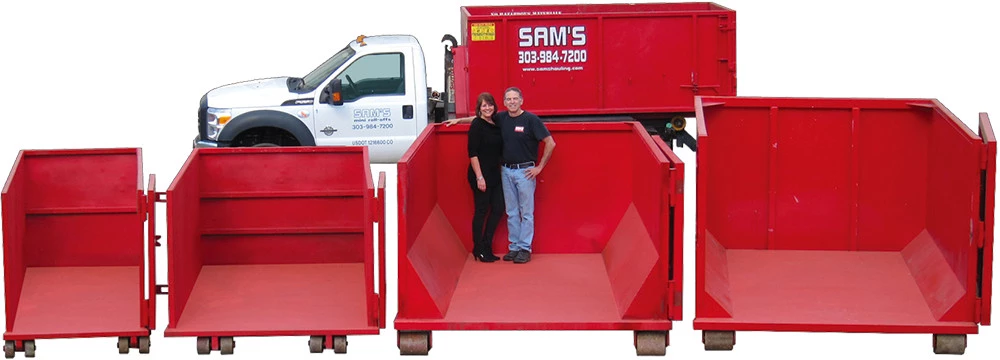
We understand Denver homeowners face unique challenges with landscaping cleanup. Seasonal weather windows, water restrictions driving xeriscaping conversions, and mature trees that create mountains of debris when removed all require reliable waste disposal solutions. At Sam’s Hauling, we’ve spent years helping Denver-area residents tackle landscaping projects without the headache of figuring out debris removal.We deliver dumpsters when promised, pick them up on schedule, and provide straightforward information about what goes in which container. No surprise fees, no hassles, no excuses. When you’re ready to get started on your landscaping project, give us a call. We’ll help you choose the right dumpster rental size, deliver it where you need it, and haul everything away when you’re finished. Let’s make your yard transformation the easy part instead of the complicated one.
